Industrial laser service companies reduce equipment downtime by locating the exact failure point, restoring system function through repair, and replacing only the components that no longer perform. We focus on identifying the real issue so operators can bring machines back into use faster without unnecessary replacement or delays.
Downtime rarely starts with a major failure. It builds from smaller issues such as signal instability, worn cables, or inconsistent power flow. In excavator laser control systems, we often see these problems appear as delayed response, inaccurate grading, or sudden shutdown. When these early signs are ignored, the system stops working and delays the entire job.
Why do laser control systems fail during operation
Laser control systems operate under constant stress. Movement, vibration, and exposure gradually weaken cables and connectors. These components fail first and disrupt communication between system parts.
Many systems show clear warning signs before failure. In our experience, inconsistent grading often connects to signal loss caused by cable wear. Sudden shutdown usually relates to power interruption within the wiring. When we recognize these patterns early, we can narrow down the problem without assuming the entire system has failed.
Common failure patterns that indicate the real issue
Certain system behaviors point directly to specific faults. We rely on these patterns to reduce guesswork and speed up recovery.
- Inconsistent grading usually links to signal instability in cables
- Delayed response often connects to weak or damaged connections
- Complete shutdown typically relates to power interruption
When we identify these signs early, we can focus on the actual issue instead of replacing working components.
Practical inspection approach that improves repair accuracy
A clear inspection process helps us identify the fault without unnecessary part changes. We focus on checking cables, connectors, and system connections to locate the issue.
Matching system behavior with inspection results improves decision making. When grading becomes inconsistent, we prioritize cable conditions. When the system stops responding, we focus on power connections. This approach reduces trial and error and helps us restore operation faster.
If you are dealing with repeated downtime, reviewing available parts and support options on the sales page can help you understand what components we can provide before making a replacement decision.
Cable condition directly impacts system recovery
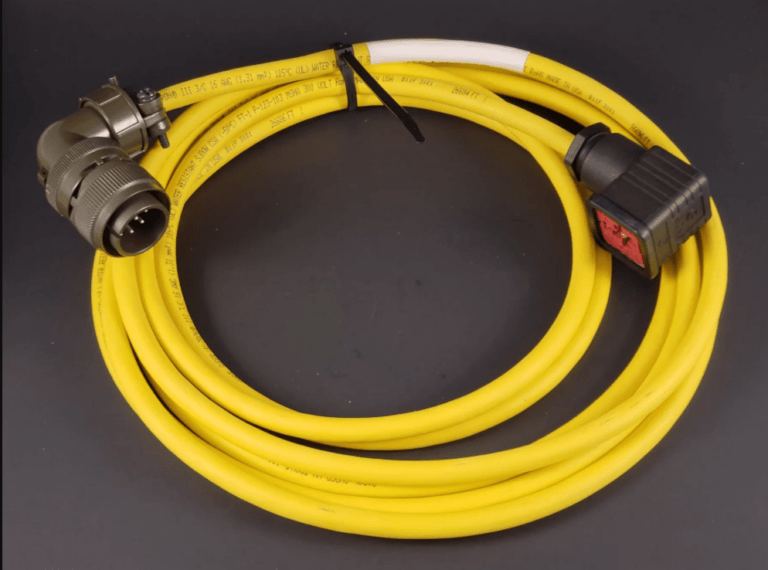
Cables carry both signal and power. Over time, internal damage or inconsistent power flow interrupts system performance. When repair no longer resolves the issue, we replace the damaged cable with the correct component.
We supply replacement power cables that match system requirements and restore stable operation. In many cases, replacing a damaged cable brings the system back to working condition without replacing the entire setup. This approach allows us to resolve issues quickly and efficiently.
Supporting existing systems instead of replacing them
Many machine control systems continue to perform well even after years of use. The main challenge comes from worn components rather than complete system failure.
We focus on restoring these systems by replacing damaged parts and rebuilding connections. This allows our customers to continue using equipment they already understand without the disruption of switching to a new system.
Structured repair approach that reduces repeated issues
We follow a consistent process to ensure we address the correct issue the first time. Each step focuses on identifying and resolving the exact fault.
- Inspect system components to locate the problem
- Check cables and connectors to confirm the failure point
- Repair or replace the affected component
- Ensure the system is ready for use after repair
This approach helps us reduce repeated downtime and supports reliable system performance.
Repair decisions based on actual system condition
Not every problem requires full replacement. In many cases, we see systems return to stable performance once the correct component is repaired or replaced.
- We repair when cables or connectors show wear but the system still responds.
- We repair when signal issues appear without full system failure.
- We replace only when multiple key components stop working.
When we address issues early, we prevent larger problems. A small cable fault can affect grading accuracy, create rework, and increase machine downtime.
Simple checklist to reduce future downtime
We recommend regular checks to help prevent unexpected system failure and keep equipment running consistently.
- Inspect cables for visible wear or damage.
- Check connectors for secure and clean contact.
- Monitor system response for delays or irregular behavior.
- Address small issues before they affect performance.
These steps help maintain system reliability and reduce the risk of sudden breakdown.
Final perspective on reducing downtime
Downtime develops from small issues that often go unnoticed. When we focus on identifying and fixing the exact problem, we help restore system performance without unnecessary replacement. With proper inspection and the right components, a laser grade control system for construction continues to perform reliably and keeps work moving forward.
If your equipment shows early signs of failure, addressing the issue now helps us prevent larger disruptions and keep your operation on track.
FAQs
1. How can I quickly reduce downtime in my laser control system?
You can reduce downtime by identifying the exact fault instead of replacing the entire system. Most issues come from cables, connectors, or power flow interruptions. Start by inspecting these components first. If the problem continues, reviewing available parts and support on the sales page can help you choose the right fix faster.
2. What usually causes failure in excavator laser control systems?
Most failures in excavator laser control systems come down to worn cables and connectors. Constant movement, vibration, and tough site conditions gradually weaken these components, leading to disrupted signals or unstable power flow. Common issues include damaged cables, loose or corroded connections, and inconsistent power supply. In many cases, fixing or replacing these parts is enough to restore performance without needing a full system replacement.
3. When should I repair instead of replacing my laser control system?
You should consider repairing your laser control system when it is still functional but shows signs of inconsistency. If the system powers on yet behaves irregularly or if grading accuracy declines without a complete breakdown, repair is often the smarter choice. Problems limited to cables or connections don’t usually justify a full replacement. Addressing these specific issues can save both time and cost while extending the life of your existing system.
